Bangladesh-born lawyer Nazmun Nahar’s inspiring story of relocation, personal satisfaction and professional success is a testament to those who are determined to achieve their dreams and make a new home in a foreign land.
Here, she shares the experiences that have shaped her life in Denmark.
What motivated you to study in Denmark, and what was your experience like as an
international student here?
The wide diversity of legal courses and ample opportunities to be trained by subject-matter specialists, including lawyers, were my key motivations to pursue my LLM with the University of
Copenhagen.
The law faculty of this university is one of the oldest faculties in Scandinavia. It has existed since 1479.
Before I migrated to Denmark, I was already a licensed advocate and practising corporate lawyer in Bangladesh, and that previous legal experience was been acknowledged here.
My study period was a mostly positive experience. The case studies, including the study material and its complexity, were nothing new to me. I have also had the opportunity to prove my strong legal observations.
However, there were few new things to adopt. There were a lot of oral exams here while I was used to mostly written exams at law school in Bangladesh.
How was your journey to finding a graduate job in Denmark?
I was offered with a job while submitting my Master’s thesis. As mentioned, my previous legal
experience has been valued and acknowledged here even during my study, therefore, my journey to landing my first job was not a difficult one.
I sincerely convey my thanks to all my career mentors in Bangladesh and Denmark for such a blessed carrier journey.
However, I must highlight that the immigration system for non-EU students who want to accept a job while studying was not supportive.
During that time, it was so frustrating and demotivating to have to refuse a full-time job just because I was not allowed to work more than 15 hours per week.
Obtaining fast-track Permanent Residency in Denmark is an impressive achievement.
What specific requirements did you fulfil and what steps did you take to secure this status?
Yes, I agree that it is an impressive achievement.
To start with, I must say that the rules that non-EU students have to follow to attain PR, do not make Denmark an attractive country to start career in. I went through a stressful and demotivating immigration process.
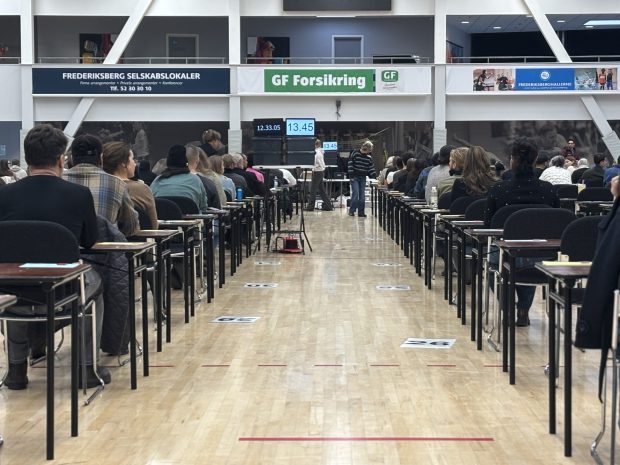
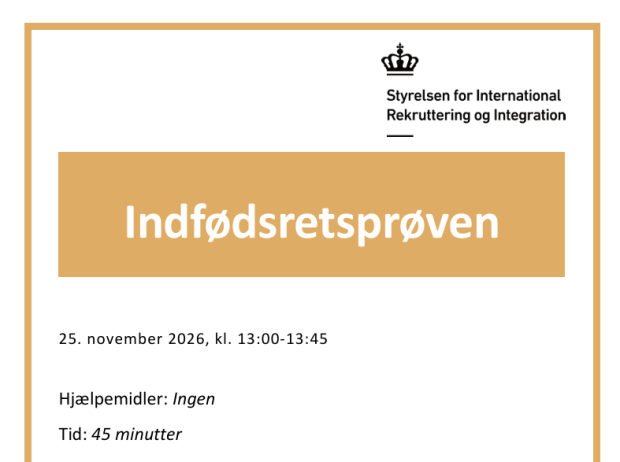
To achieve what I did, I had to find a job in my field that paid a certain amount of money, as required by the law. Then, I had to pass a language test called DU3 and another test called the Active Citizenship Test.
During my language journey, I was pregnant and I used the time after giving birth to take the test. I passed it. It wasn’t easy to do all of this in just four years.
For those who want to do the same, my advice is to keep track of time and make sure you complete all the necessary steps because there’s no other way to do it.
How did you find the experience of raising a young child in Denmark?
In Denmark, it’s much easier to juggle both work and family life because of the supportive society and rules. I wouldn’t feel as relieved if there weren’t day-care services for children.
On the other hand, I couldn’t focus on raising my child if I was always worried about my career.
There are plenty of holidays and days off, opportunities to work from home, and a focus on putting family first. It’s this wonderful society that helps me balance everything.
What were some of the cultural differences you encountered when living in Denmark?
There are a few worth mentioning: Danes bake or buy cake themselves for their birthdays, at least, that’s what I have experienced. It was the other way around while I was living in Bangladesh.
Another funny thing would be my ‘never ending’ struggle with a food called leverpostej, liver paste, which I haven’t been able to eat yet.
I come from a culture where it takes no time to make friends which is apparently the other way around here. Danes, as I experience, take a little longer time to become a friend. When they call you a friend, they really mean it.
Are there any specific Danish customs or traditions that you and your family have adopted?
In terms of adaptation, I, along with my family, have become more relaxed and direct while communicating with others, and we tend to prioritise work and personal life as needed.
I experience Danes as direct communicators, less stress-inducing, more trustworthy and flexible. They value and expect you to practise these cultural characteristics as well.
I see Danish people as open-minded and simple, but really introverted when it comes to meeting and making friends.
I am blessed that I have met good friends and colleagues since I relocated to Denmark in 2014.
Denmark is known for its high quality of life. How did you and your family benefit from this quality of life, and what aspects of it do you appreciate the most?
I remember, when I returned to my job from maternity, it took me around nine months to settle in, focus and feel really capable to balance work life.
This is due to the fact that my kid started day care at nine months, and the first year was very challenging for him with flues and seasonal diseases. Whenever he got sick, it ended up with us being sick. I, along with my husband, felt so guilty being working parents.
I couldn’t anticipate my week ahead at work due to sudden sick days – but also felt I wasn’t giving enough time to my kid.
Due to the impressive work-life balance in Denmark, people give space to other people’s challenges and allow you to plan your work life accordingly. Such as around picking up and dropping off your kid.
What are the aspects of parenting in Denmark that you found particularly different compared to your home country?
I am not the perfect person to compare parenting in Bangladesh with the same in Denmark since I have given birth my only kid in Denmark.
One remarkable difference would be that my kid is learning three languages: Danish, English and Bengali at the same time here in Denmark. In addition, my kid is adopting both Danish and Bangladeshi culture.
But if I were to raise my kid in Bangladesh, we would be blessed with support and love from our family, including grand-parents, if needed.