They have been much talked about, and now they are here: The government’s proposals to cut taxes.
It has been a long time in the making. Especially among party members of Socialdemokratiet, tax cuts are highly controversial because many think that investments in public welfare are more needed.
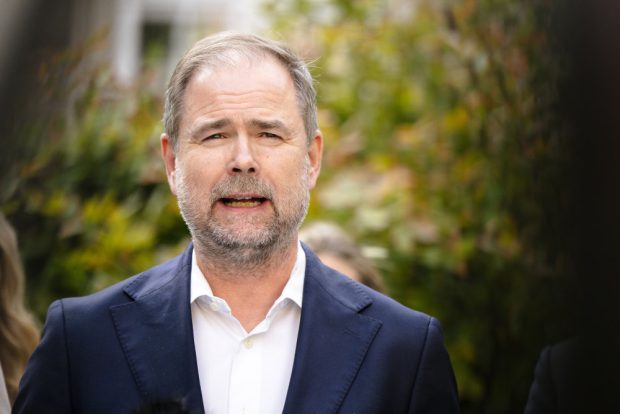
“I am pleased that we can now make the biggest reduction to income tax that Denmark has seen for ten years. In total, tax will go down by DKK 10 billion. It is a pat on the back for working Denmark,” says acting leader of Venstre and and Minister of Economy, Troels Lund Poulsen.
Accompanied by other ministers, Lund Poulsen on Monday will present the plan.
However, several media outlets have been given the content, so here is what’s to be expected.
People expected to spend more
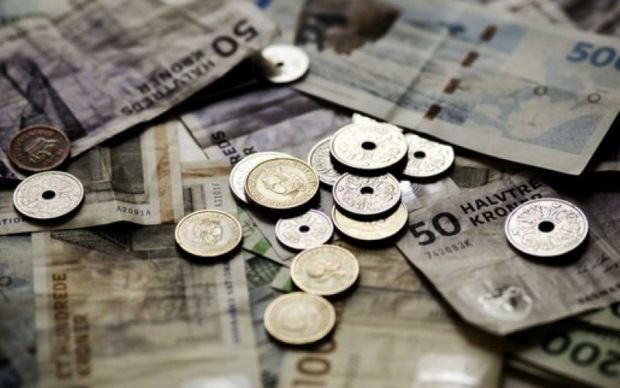
The government will reduce personal taxes for a total of ten billion kroner.
However, the tax cuts will only amount to an expenditure of DKK 6.75 billion. This is because some of the money will return to the treasury in the form of VAT, for example, when people spend more money.
The amount is DKK 1.75 billion higher than what was agreed when Socialdemokratiet, Venstre and Moderaterne founded the government last year.
Main pointers in the proposal
- The employment deduction is raised from 10.65 percent to 12.75 percent. The tax cut will affect 3.3 million working Danes.
- The additional employment deduction for single parents is raised from 6.25 percent to 11.5 percent.
- The government will introduce a new intermediate tax of 7.5 percent in the income range from DKK 618,400 to DKK 750,000 per year. If you earn over DKK 750,000 in the previous year, top tax of 15 percent is paid. The government will also introduce a top tax of 5 percent for annual salaries over DKK 2.5 million.
- The tax reductions are to begin from 2025, before they are fully implemented in 2030.
Working people profit the most
The tax breaks are not evenly distributed. Those who pay the most tax generally get the biggest tax breaks.
“The tax cuts primarily affect working people, because the employment deduction will be raised, just as the maximum deduction will also be raised,” says Brian Friis Helmer, private economist at Arbejdernes Landsbank, to Ritzau.
In addition, the new intermediate tax of 7.5 percent means that everyone who earns between DKK 618,400 and DKK 750,000 per year will get an extra tax break. They will no longer have to pay top tax on income in that range.
“This means that they are probably the ones who get the most out of the changes because they both pay less in top tax and at the same time get a higher employment deduction,” Helmer says.
Tax relief for families
Berlingske brings a number of model calculations that the Ministry of Taxation has carried out. Here, one can see what the tax reform will mean for a number of families.
The calculations say that a family with two children, where the parents are craftsmen and teachers respectively, gets a total annual tax relief of DKK 5,700.
A doctor who is married to a freight forwarder will typically receive a total annual tax relief of DKK 14,800.
Finally, a single person trying to work with one child will get a tax relief of DKK 8,000.